
If your bladder seems to get busier the moment the temperature drops, you're not imagining it. It's a well-known effect, and once you understand what's going on, it becomes much easier to work with.
The cold–bladder connection
When you get cold, your body's first job is to protect your vital organs. To keep your core warm, the blood vessels near your skin narrow, which pulls blood away from your hands, feet and skin and towards the middle of your body.
That extra blood in your core raises the pressure your body senses there. Your system reads this as having more fluid than it needs, so your kidneys filter more and you make more urine. Scientists call this cold-induced diuresis or, in plain terms, the reason you're heading for the loo on a frosty walk.
It's a normal, healthy response. But if you already have an overactive bladder, that extra urine can tip the balance and make urgency feel more noticeable. Early research, mostly in animals, also suggests that cold sensors in your skin may nudge your bladder into signalling sooner.
Why winter makes it feel worse
The cold itself is only part of the story. A few everyday winter habits tend to add to it:
Less sweating
More cups of tea and coffee
Less water
Spending more time sitting still
In summer, you lose some fluid through sweat. In winter, more of that fluid leaves through your bladder instead. Then there's the comfort of a hot drink and tea and coffee contain caffeine, a diuretic that prompts your kidneys to flush more water into your urine.
It's also easy to drink less when it's cold, simply because you don't feel as thirsty. Cutting right back can make your urine more concentrated, which may irritate your bladder lining. But drinking far more than usual doesn't tend to ease urgency either, steady, moderate sipping is the sweet spot.
4 small winter swaps for a calmer bladder
Swap your second coffee for a caffeine-free warm drink. Gentle options include rooibos, chamomile or warm water with a slice of fresh ginger. You still get the cosy mug, just without the extra caffeine, and cutting back on caffeine has been shown to help reduce urgency.
Keep your hands and feet warm. Gloves, thick socks and a warm layer before you head out can make a real difference. The warmer your skin stays, the less your body needs to send blood inwards.
Keep sipping water through the day. Little and often tends to work better than large amounts in one go. Aim for pale-straw coloured urine as a simple guide.
Warm up before you go out. A few minutes of movement indoors, or a warm drink before you leave, can help your body start off warmer.
Why they help
Less caffeine
Less blood pushed to your core
More dilute urine
Caffeine-free drinks keep you warm without nudging your kidneys to make extra urine. Staying warm reduces the narrowing of blood vessels that sets off the whole chain. And steady sipping keeps your urine more dilute, which tends to be gentler on your bladder.
Small steps for colder months
A busier bladder in winter is your body doing exactly what it's designed to do. The key is not to overhaul everything at once, but to notice your patterns, when the urge hits, what you've been drinking, and how warm you've been.
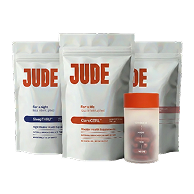
A few warm layers and a caffeine-free mug, alongside supportive nutrition such as Jude's CoreCTRL™, can help you feel more settled through the colder months. If you're not sure which support suits you, our find the right formula guide can help you choose.
If you're still needing the loo much more often than usual, or you notice pain, a burning feeling or blood in your urine, it's worth speaking to your GP.
DAILY BLADDER SUPPLEMENT
Feel bladder confident in 12 weeks
 Helps calm brain-bladder signalsBoosts bladder flexibility to help you hold for longerAfter 12 weeks, 77% of women felt more in control of their bladder.
2 min quiz
Not sure which supplement is right for you?
 Answer a few questions about your symptomsTrusted by 150,000+ womenFewer urgent trips to the bathroom
THE SUNDAY SUPPLEMENT
Bladder care, in your inbox
Join our newsletter for tips and tricks to life's trickly moments.
Feel secure all day long with our range of bladder care products. The entire range has been created with our team of experts and community of real women.
No spam. Unsubscribe anytime.